Hello, I’m Andrew from Nana’s Remedy.
If you live in a humid part of Australia — whether it’s the subtropical coast, northern NSW, Queensland, or even cooler southern winters — you’ll know how quickly dampness can settle into a home. That musty feeling, recurring mould spots, or the constant battle with condensation on windows can be exhausting.
A good dehumidifier can be one of the kindest and most effective tools you add to your home-care routine. It quietly works in the background to remove excess moisture from the air, helping create a fresher, healthier environment for your family. Let's explore the world of dehumidifiers.
The Value of Dehumidifiers: A Gentle Way to Fight Damp and Mould in Australian Homes
By pulling water vapour from the air and collecting it in a tank (or draining it away), a dehumidifier helps maintain indoor relative humidity in the ideal 40–55% range. This simple action delivers several gentle benefits:
- Reduces mould growth — Mould struggles to thrive when moisture levels drop.
- Improves air quality — Fewer spores and allergens in the air, which can ease breathing for children, asthma sufferers, and allergy-prone family members.
- Protects your home — Less damp means less risk of damage to walls, furniture, clothing, and belongings.
- Increases comfort — Drier air feels warmer in winter and cooler in summer, often allowing you to run heating or cooling less.
- Helps with everyday issues — Faster drying of laundry indoors, reduced condensation, and fewer musty odours.
Many families notice a real difference in how their home feels within the first couple of weeks.
Where a Dehumidifier Is Especially Helpful
They’re particularly valuable in:
- Bathrooms and laundries
- Bedrooms and wardrobes
- Homes with poor natural airflow
- Properties in high-humidity coastal or subtropical areas
- Older homes or rentals where structural changes aren’t possible
How to Choose the Right Dehumidifier for Your Home
Not all dehumidifiers are the same. Here are the key things to consider so you choose one that truly helps:
1. Type of Dehumidifier
- Compressor (Refrigerant): Excellent in warm, humid conditions (most of our east coast summers). They use more energy but extract moisture quickly.
- Desiccant: Better for cooler temperatures and year-round use. They work well even in winter and tend to be quieter.
- Thermoelectric (Peltier): Smaller, compact units ideal for wardrobes, bathrooms, or small rooms.
2. Capacity (Moisture Removal) Look at the litres per day rating and the room size it suits:
- Small rooms (up to 15–20m²): 8–12L models
- Average bedrooms or living areas (20–40m²): 12–20L models
- Larger or open-plan spaces: 20–50L+ models
Tip: It’s often better to choose slightly larger capacity than you think you need.

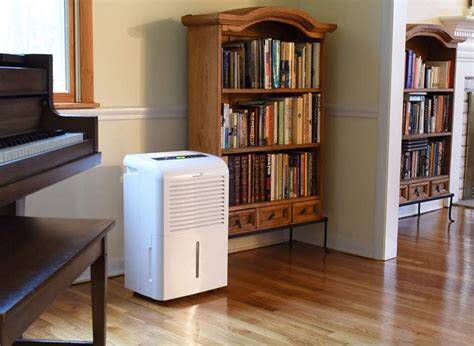

3. Important Features to Look For
- Humidistat — Automatically turns the unit on and off to maintain your desired humidity level.
- Auto drainage option — Hose connection so you don’t have to empty the tank daily.
- Quiet operation — Especially important for bedrooms (look for under 45–50dB).
- Energy efficiency — Check the energy rating to keep running costs manageable.
- Timer, air filter, and wheels — For convenience and better air quality.
- Laundry/dry mode — Very useful for drying clothes indoors during wet weather.
4. Practical Considerations Think about where you’ll use it most, how easy it is to move, and how often you’re willing to empty the tank. Many modern units (like popular Ausclimate, DeLonghi, or Breville models) now include smart features and good energy performance.
A Thoughtful Complement to Your Routine
A dehumidifier works beautifully alongside good ventilation habits and gentle natural preventatives like our Nana’s Anti-Mould Solution. Together they create a more complete approach to caring for your home — one that feels nurturing rather than like a constant battle.
If you’ve been wondering whether a dehumidifier could help your family’s home feel fresher and safer, it’s often one of those quiet investments that brings peace of mind for years.
Have you tried a dehumidifier in your home yet? Or are you thinking about getting one? I’d love to hear what challenges you’re facing with humidity or mould — share in the comments below. We’re all learning together.
Add comment
Comments