Hello, I’m Andrew from Nana’s Remedy. When mould appears in the bathroom or another damp area, it’s tempting to reach for the strongest cleaner in the cupboard — often bleach. Many of us grew up believing bleach was the only way to really “kill” mould. I’ve learned there’s a gentler, more effective way to deal with mould in humid Australian homes
How Bleach Actually Works on Mould
Bleach does two things: it kills surface mould on hard, non-porous surfaces (like tiles and glass) and it whitens the black or discoloured stains. This is why bathrooms can look dramatically cleaner straight after use.
However, bleach has some important limitations:
- It mainly works on the surface and doesn’t penetrate deeply into porous materials like grout, silicone, wood, or drywall, so the mould roots (call hyphae) often remain.
- The results are often temporary — mould commonly returns because the underlying moisture issue hasn’t been addressed.
- The strong fumes can irritate lungs, eyes, and skin, especially in small, poorly ventilated bathrooms.
- Repeated use can damage grout, seals, and certain surfaces over time.


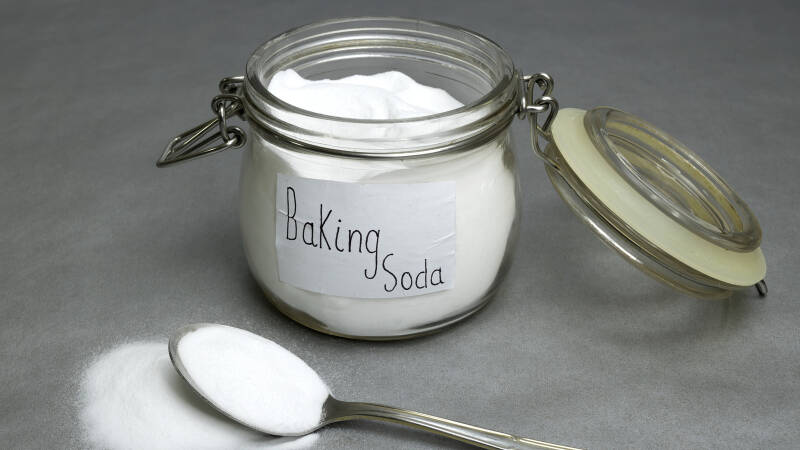
Baking soda - Effective Natural Combination
For a bit more cleaning power on hard to shift mould, try this gentle approach many families love:
- Sprinkle a light layer of baking soda on the affected area. (You can also mix it with water to make a paste, which can be easily spread over the area, with a cloth or roller.)
- Spray our Anti-Mould Solution over the top.
- Let it sit for 5–10 minutes (you’ll often see some gentle fizzing as it works).
- Wipe or gently scrub with a soft brush, then rinse or wipe clean.
This combination helps lift residue naturally while the Anti-Mould ingredients work to reduce future growth
A Gentler, More Sustainable Alternative
This is why we created Nana’s Anti-Mould Solution — a natural formula designed to work effectively while being much kinder to your home, your family, and the environment.
For light mould or early signs (those first small spots on grout or shower walls), our Anti-Mould Solution is often all you need. A simple spray, a short dwell time, and a gentle wipe can visibly clean the area while helping discourage regrowth. Many customers find they can maintain fresh bathrooms with regular light applications and good habits.
When to Call a Professional
It’s important to know your limits. If you’re dealing with heavy mould growth, a large affected area, musty odours that linger, or any signs of structural dampness (water stains on ceilings, bulging walls, or mould inside cupboards), it’s best to call a professional mould remediation expert. These situations often point to hidden moisture problems that need proper diagnosis and fixing at the source.
The Thoughtful Long-Term Approach
The most effective strategy is almost always a combination of:
- Addressing moisture and improving ventilation
- Using gentle, regular prevention with a natural product like Nana’s Anti-Mould Solution
- Reserving stronger options like bleach for occasional deep cleans on non-porous surfaces when needed
At Nana’s Remedy, we believe caring for your home should feel nurturing rather than harsh. You deserve solutions that work well and give you peace of mind — ones you feel good using around your children and pets every day.
If you’ve been stuck in the bleach cycle and are looking for a gentler option, I’d love to hear about your experience. Have you tried moving away from bleach? What worked (or didn’t) for you? Share in the comments below — your story might help another family find a better way.
Add comment
Comments